how to say “to get hurt” in Hebrew


having trouble seeing the print?

לְהִפָּגַע, לְהִפָּצַע


Extra large discount
on Fall 2012 Courses
 
through August 20 


SIGN UP NOW!   

The Hebrew word לְהִפָּצַע (leh-hee-pah-TSAH) means to get hurt in the physical sense. Likewise, a פְּצִיעָה (peh-tsee-AH) or a פֶּצַע (PEH-tsah) is a physical wound.
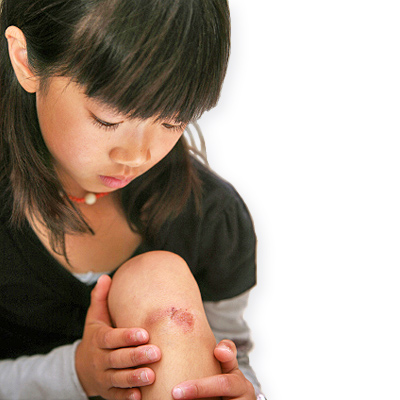
להפגע/להפצעFor example, you might hear a girl on a playground say:

!קִבַּלְתִּי פֶּצַע
I got a booboo (an injury)!
(kee-BAHL-tee PEH-tsah)

To which an adult might raise the level of speech, asking the girl:

נִפְצַעְתְּ?

Did you get hurt?
(neef-TSAHT)

The root of these words is פ.צ.ע (p.ts.a). Its verb form is נִפְעַל.


Another word meaning to get hurt is לְהִפָּגַע (leh-hee-pah-GAH). Unlike להיפצע, this word means to get hurt in both the physical and emotional senses. And while להיפצע refers to a specific person receiving an injury, להיפגע is used more generally, or about a larger group of people. פְּגִיעָה (peh-ghee-AH) and פֶּגַע (PEH-gah) mean injury in the general sense.

For example (in which להיפגע is used in its participle form as a noun):
לַמְרוֹת עָצְמַת הַשְּׂרֵפָה, לֹא דֻּוַּח עַל נִפְגָּעִים.
Despite the intensity of the fire, no report was made of injured.
(lahm-ROHT ohts-MAHT hah-seh-reh-FAH, loh doo-VAHKH ahl neef-gah-EEM)
 
The word להיפגע comes from the root פ.ג.ע (p.g.a), very close to that of the other verb presented here. להיפגע is related to the word for vulnerability, terror attack, and others. 
 
 
Both להיפגע and להיפצע are נִפְעַל verbs, which you can learn to conjugate using this chart.


Further build your
Hebrew vocabulary with…
with a special discount for
Ulpan La-Inyan enthusiasts like yourself

Similar Posts

  • how to say “bones” in Hebrew

    [audioclip url=”https://archive.ulpan.com/wp-content/uploads/2020/02/עצמות-#.m4a” /]עֲצָמוֹת The Hebrew word for bone is עצם[audioclip url=”https://archive.ulpan.com/wp-content/uploads/2020/02/עצמות-#.m4a” /], while more than one bone is עצמות[audioclip url=”https://archive.ulpan.com/wp-content/uploads/2020/02/עצמות-#.m4a” /]. For example: [audioclip url=”https://archive.ulpan.com/wp-content/uploads/2020/02/עצמות-#.m4a” /]כמה עצמות יש בגוף האדם? How many bones are there in the human body? and [audioclip url=”https://archive.ulpan.com/wp-content/uploads/2020/02/עצמות-#.m4a” /]העצמות האלה יבשים. These bones are dry. Now, why does a masculine word like עצם…

  • How to say “attack of conscience” in Hebrew

    [audioclip url=”https://archive.ulpan.com/wp-content/uploads/2018/03/ייסורי-מצפון-1.m4a” /]יִסּוּרֵי מַצְפּוּן The Hebrew word for conscience is מצפון[audioclip url=”https://archive.ulpan.com/wp-content/uploads/2018/03/ייסורי-מצפון-2.m4a” /], of the root צ.פ.נ[audioclip url=”https://archive.ulpan.com/wp-content/uploads/2018/03/ייסורי-מצפון-3.m4a” /] meaning north: someone who has lost their conscience has also lost their “north.” And if you’ve got some background in Jewish philosophy, you almost certainly know the word for tribulations – ייסורים[audioclip url=”https://archive.ulpan.com/wp-content/uploads/2018/03/ייסורי-מצפון-4.m4a” /]. Putting these…

  • how to say “to blind” in Hebrew

    לסנוור   עִוֵּר (ee-VEHR) for a male and עִוֶּרֶת (ee-VEH-ret) for a female are the Hebrew words for someone who is blind.   By contrast, to blind someone is (le-sahn-VEHR). This is a very old word; it comes up in next week’s Torah portion, where the angels visiting Lot strike the Sodomites with blindness – סַנְוֵרִים…

  • daily video – how to say “customer” in Hebrew

    To slow down the audio or to turn on captions (CC), start playing the video and then click the settings icon ⚙️. LEARNING TIPS Hebrew beginners Watch with English captions a few times, then with Hebrew captions, then without captions, and see what you understand. Intermediate learners Watch without captions, pausing to write down what...
  • how to say “preference” in Hebrew

      הַעֲדָפָה   Can’t read Hebrew yet?     The verb לְהַעֲדִיף    – to prefer – comes from the root ע.ד.פ (a.d.f) meaning extra or hanging over the edge.    For example:   אֲנָשִׁים מַעֲדִיפִים לְהִשָּׁאֵר בַּבַּיִת מֵאֲשֶׁר לָצֵאת בַּגֶּשֶׁם. People prefer to stay home over going out in the rain.     Likewise, preference is…