
how to say “terrorist” in Hebrew
having trouble seeing the print?
מְחַבֵּל, מְחַבֶּלֶת
Mid-Fall Hebrew
Courses Starting Soon!
Register Now!


The most widely-used Hebrew word for terrorist is מְחַבֵּל listen and repeat for a male and מְחַבֶּלֶת listen and repeat for a female.
listen and repeat for a male and מְחַבֶּלֶת listen and repeat for a female. These words are participle forms (also present-tense) of the active-intensive verb לְחַבֵּל listen and repeat, which means to sabotage. In effect, a terrorist is called, by Israelis, saboteurs.
listen and repeat, which means to sabotage. In effect, a terrorist is called, by Israelis, saboteurs. 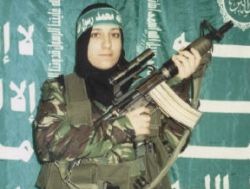 |
| מְחַבֶּלֶת מִתְאַבֶּדֶת(female) suicide terrorist listen and repeat |
From a socio-linguistic point of view as well as a personal one, מחבל and מחבלת are too soft. I prefer the other terms that show up in the bilingual dictionary: טֶרוֹרִיסְט listen and repeat – literally, terrorist, and מְפַגֵּעַ listen and repeat (a male)/ מְפַגַּעַת listen and repeat (a female).
listen and repeat – literally, terrorist, and מְפַגֵּעַ listen and repeat (a male)/ מְפַגַּעַת listen and repeat (a female). The latter terms come from the root פ.ג.ע (p.g.a) meaning strike, harm, the same root as that of the word for terror attack – פִּגּוּעַ listen and repeat. I believe מגפע and מפגעת more accurately capture the horrific severity of the actions of such people.
listen and repeat. I believe מגפע and מפגעת more accurately capture the horrific severity of the actions of such people.
Enjoying Your Daily Dose of Hebrew?

