how to say “playground” in Hebrew

מִגְרָשׁ מִשְׂחָקִים[audioclip url=”https://archive.ulpan.com/wp-content/uploads/2014/10/מגרש-משחקים4.mp3″ /]
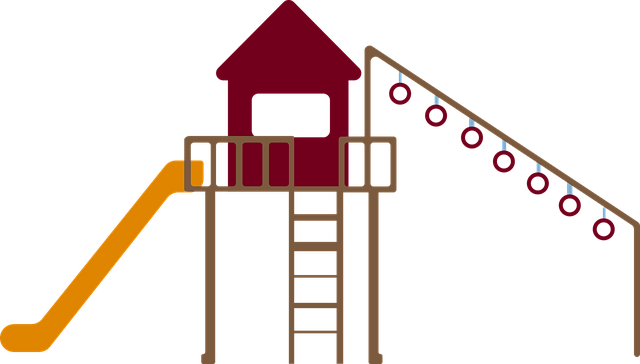
 

playground - מגרש משחקיםA game in Hebrew is מִשְׂחָק[audioclip url=”https://archive.ulpan.com/wp-content/uploads/2014/10/מגרש-משחקים5.mp3″ /], from the root שׂ.ח.ק (s.kh.k) meaning playing.

A court or a lot is a מִגְרָשׁ[audioclip url=”https://archive.ulpan.com/wp-content/uploads/2014/10/מגרש-משחקים6.mp3″ /], of the root ג.ר.שׁ (g.r.s) meaning expulsion or sending away (linguists theorize that people would send their animals away to graze in the מגרש, which was outside the human dwelling area).
So a court of games, a playground, is מִגְרָשׁ מִשְׂחָקִים[audioclip url=”https://archive.ulpan.com/wp-content/uploads/2014/10/מגרש-משחקים4.mp3″ /].

For example:

[audioclip url=”https://archive.ulpan.com/wp-content/uploads/2014/10/מגרש-משחקים7.mp3″ /]בְּשַׁבָּת אַחַר הַצָּהֳרַיִם בִּירוּשָׁלַיִם, מִגְרְשֵׁי הַמִּשְׂחָקִים מְלֵאִים בְּמִשְׁפָּחוֹת.

On Shabbat afternoon in Jerusalem, the playgrounds are filled with families.

Similar Posts

  • how to say “not necessarily” in Hebrew

    having trouble seeing the print? לָאו דַּוְקָא, לֹא בְּהֶכְרֵחַ LOCAL Hebrew courses in Israel (winter deadline this Sunday!)  DISTANCE Hebrew courses online (winter deadline – December 20!) A useful expression in English is not necessarily. In Hebrew, we say either לָאו דַּוְקָאor לֹא בְּהֶכְרֵחַ.   For example:   עִיר בְּשֵׁם יְרוּשָׁלַיִם לָאו דַּוְקָא נִמְצֵאת בְּיִשְׂרָאֵל. A city by the name of…

  • how to say “sad” in Hebrew

    having trouble seeing the print? עָצוּב, עֲצוּבָה   The Hebrew word for sad is עצוב in the masculine and עצובה in the feminine.   For example:   כְּשֶׁאֲנִי קוֹרֵא עַל טַיְפוּן הַייאֶן, אֲנִי מַרְגִּישׁ עָצוּב. As I read about Typhoon Haiyan, I feel sad.     עצוב comes from the Biblical root ע.צ.ב (a.ts.b) meaning pain, displeasure and grief. It…

  • how to say “strange” in Hebrew

      having trouble seeing the print? מוּזָר     Never experienced Ulpan La-Inyan?  We’re offering free demo classes  throughout the summer.     In Biblical Hebrew, a man from the outside, a stranger, is an אִישׁ זָר (eesh zahr), while a strange woman is an אִשָּׁה זָרָה (ee-SHAH zah-RAH). Likewise, a male foreign worker is an עוֹבֵד זָר (oh-VED zahr), while a female is…

  • how to say “kettle” in Hebrew

    [audioclip url=”https://archive.ulpan.com/wp-content/uploads/2015/05/קומקום-1.m4a” /]קוּמְקוּם Nothing like a hot drink on a cold day. The Hebrew word for an apparatus that can help prepare such a drink is קומקום[audioclip url=”https://archive.ulpan.com/wp-content/uploads/2015/05/קומקום-1.m4a” /]. In context: [audioclip url=”https://archive.ulpan.com/wp-content/uploads/2015/05/קומקום-2.m4a” /]תרתיח מים בקומקום. Boil water in the kettle. (spoken to a male) and [audioclip url=”https://archive.ulpan.com/wp-content/uploads/2015/05/קומקום-3.m4a” /]קומקום בשווי מאתיים שקלים בתשעים ותשעה שקלים…

  • how to say “Election Day” in Hebrew

    [audioclip url=”https://archive.ulpan.com/wp-content/uploads/2018/10/יום-הבחירות-#.m4a” /]יוֹם הַבְּחִירוֹת Much to the delight of employees throughout Israel, Election Day this week means not only the opportunity to exercise their right to vote, but also an official vacation day. The Hebrew term for Election Day is יום הבחירות[audioclip url=”https://archive.ulpan.com/wp-content/uploads/2018/10/יום-הבחירות-#.m4a” /] – literally, day of the elections. For example, you might be wondering: [audioclip…