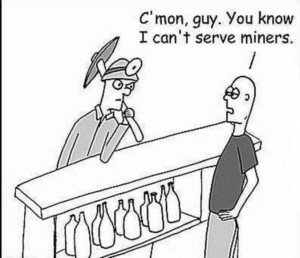
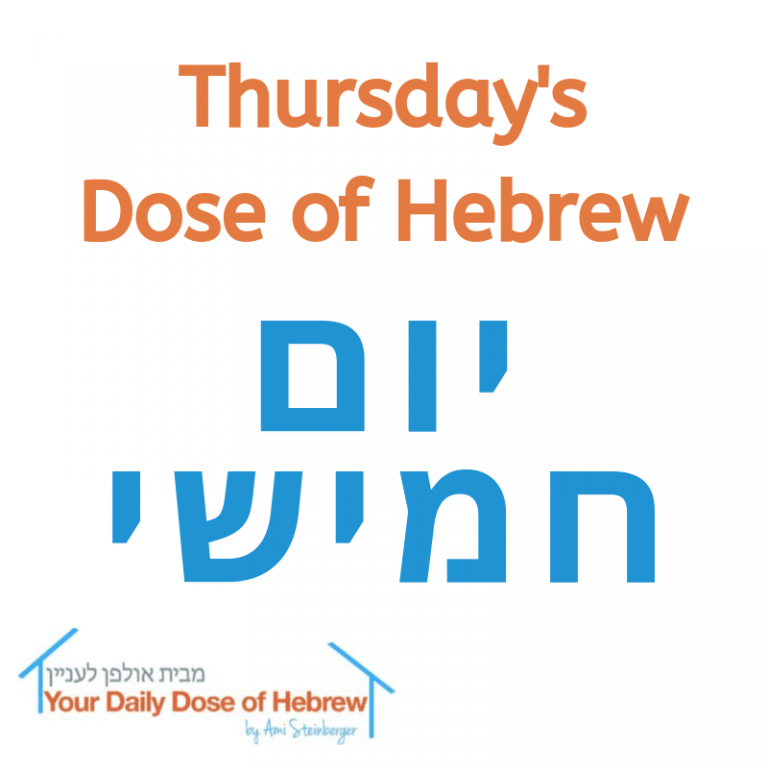
how to say “minor (person)” in Hebrew
having trouble seeing the print?
With Us, Online

![]()
having trouble seeing the print?

![]()
[audioclip url=”https://archive.ulpan.com/wp-content/uploads/2014/10/להזכיר-1.m4a” /]לְהַזְכִּיר לזכור[audioclip url=”https://archive.ulpan.com/wp-content/uploads/2014/10/להזכיר-2.m4a” /] is a simple verb of the root ז.כ.ר[audioclip url=”https://archive.ulpan.com/wp-content/uploads/2014/10/להזכיר-3.m4a” /] – to remember. For example: [audioclip url=”https://archive.ulpan.com/wp-content/uploads/2014/10/להזכיר-4.m4a” /]את זוכרת אותי? Do you (a female) remember me? To cause someone to remember – to remind – is the active-causative verb להזכיר[audioclip url=”https://archive.ulpan.com/wp-content/uploads/2014/10/להזכיר-1.m4a” /]. For example: [audioclip url=”https://archive.ulpan.com/wp-content/uploads/2014/10/להזכיר-5.m4a” /]אני לא טוב בשמות, תזכירי לי…
[audioclip url=”https://archive.ulpan.com/wp-content/uploads/2020/04/אדיבות-#.m4a” /]אֲדִיבוּת The word אדיב[audioclip url=”https://archive.ulpan.com/wp-content/uploads/2020/04/אדיבות-#.m4a” /] – courteous comes to Hebrew via the Arabic word أديب[audioclip url=”https://archive.ulpan.com/wp-content/uploads/2020/04/אדיבות-#.m4a” /] (adeeb), referring to a scholar, presumably a person of manners. When Eliezer Ben Yehuda coined this term, he must have had in mind the word נדיב[audioclip url=”https://archive.ulpan.com/wp-content/uploads/2020/04/אדיבות-#.m4a” /] – generous, first appearing in Biblical Hebrew….
גִּבּוֹר Can’t read Hebrew yet? Holocaust Day is officially termed יוֹם הַזִּכָּרוֹן לַשּׁוֹאָה וְלַגְּבוּרָה – Memorial Day for the Holocaust and the Heroism – in order to commemorate acts of Jewish resistance against the atrocities. While גְּבוּרָה means heroism, a (male) hero or brave one is a גִּבּוֹר . Here’s a Biblical example:…
[audioclip url=”https://archive.ulpan.com/wp-content/uploads/2015/05/היסטוריה-של-1.m4a” /]הִיסְטוֹרְיָה שֶׁל עַם יִשְֹרָאֵל, הִיסְטוֹרְיָה יְהוּדִית You may have struggled through the first word in the title, but soon hit yourself on the forehead realizing that היסטוריה[audioclip url=”https://archive.ulpan.com/wp-content/uploads/2015/05/היסטוריה-של-2.m4a” /] is basically history (well, historia) in Hebrew letters. And while היסטוריה יהודית[audioclip url=”https://archive.ulpan.com/wp-content/uploads/2015/05/היסטוריה-של-3.m4a” /] means Jewish history and is a term used fairly often, the preferred term among…
having trouble seeing the print? הוֹצָאוֹת Check out our spring courses in Jerusalem, Tel Aviv, Raanana, Efrat, Ramat Beit Shemesh and Tzfat I bet some of you guessed that the Hebrew word for expenses would be some kind of declension of the word for expensive – יָקָר (yah-KAHR). Sorry to disappoint. Rather, the word for expenses comes from the active-causative הפעיל verb…
[audioclip url=”https://archive.ulpan.com/wp-content/uploads/2019/05/משתרע-#.m4a” /]מִשְׂתָּרֵעַ In English, we talk about a sprawling metropolis – a really big city area. In Hebrew, we use the verb להשתרע[audioclip url=”https://archive.ulpan.com/wp-content/uploads/2019/05/משתרע-#.m4a” /] – to span or to sprawl, as in: [audioclip url=”https://archive.ulpan.com/wp-content/uploads/2019/05/משתרע-#.m4a” /]נתב”ג טרמינל שלוש משתרע על פני אלף שלוש מאות מטר רבוע. Ben Gurion Airport Terminal 3 spans thirteen hundred square meters. The…