
how to say “friendly” in Hebrew
having trouble seeing the print?

First, an addendum on yesterday’s entry: לְהַרְעִים (leh-hahr-EEM) is indeed a more Biblical and less Modern way of saying to thunder. However, I forgot to mention the more commonly-used word today for to thunder: לִרְעוֹם (leer-OHM), an active-simple פעל (pah-AHL) verb.
Now for today’s dose.
A while back I did an entry on friendship, the words חֲבֵרוּת (khah-veh-ROOT) and יְדִידוּת (yeh-dee-DOOT). חברות – based on the root ח.ב.ר (kh.b.r) meaning connection – implies a well-established bond of friendship. ידידות, on the other hand – of the root ד.ו.ד (d.w.d), meaning endearment – can be used to describe a growing relationship of positive feelings.
These words can be used in adjective form as well. For example, to express that a product is environment-friendly, you’d say, הוּא יְדִידוּתִי לַסְּבִיבָה (hoo yeh-dee-doo-TEE lah-seh-vee-VAH) – literally, it’s friendly to the environment.
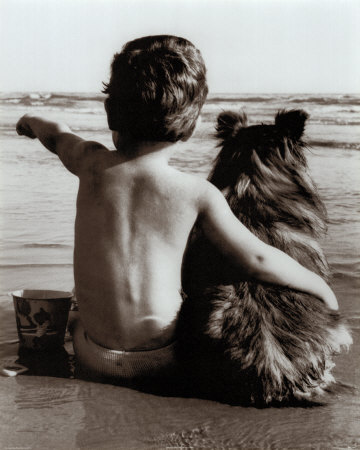
To say that a person is friendly or sociable, you’d use a word based on the ח.ב.ר root: חֶבְרוּתִי (khev-roo-TEE). For example, הִיא בָּחוּרָה חֶבְרוּתִית (hee bah-khoo-RAH khev-roo-TEET) – she’s a sociable young woman.
These adjectives create nouns of their own as well: יְדִידוּתִיּוּת (yeh-dee-doo-tee-YOOT) means friendliness, while חֶבְרוּתִיּוּת (khev-roo-tee-YOOT) means sociability.
ד.ו.ד is the root for the words associated with friendliness… as well as the words for aunt and uncle – דּוֹד (dohd) and דּוֹדָה (doh-DAH), which once meant, simply, beloved one.
The name of the Jewish month of אֱלוּל (eh-LOOL) is said to be an acronym for אֲנִי לְדוֹדִי וְדוֹדִי לִי (ah-NEE leh-doh-DEE veh-doh-DEE lee) – I am for my Beloved, and my Beloved is for me.
