how to say “cow” and other domestic animals in Hebrew
having trouble seeing the print?
פָּרָה
Ancient Israel was the nexus of its world, the crossroads of trade routes running from Assyria in the north to Egypt in the south… and from India in the East to Mauretania (ancient Morocco) in the west.
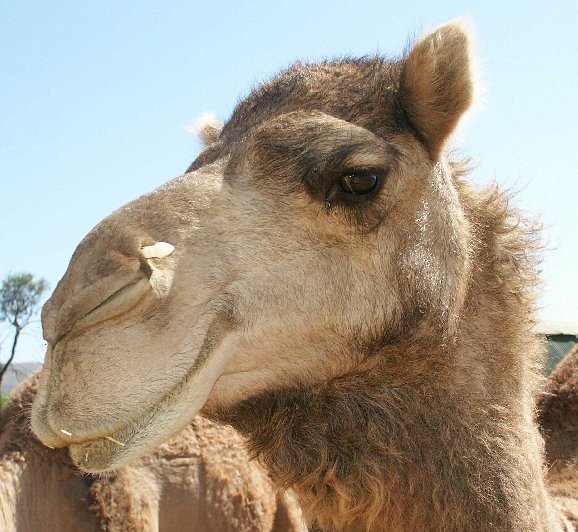
A popular mode of long-term transportation in those days was by caravan of camels. The Hebrew word for camel is גָּמָל (guess where the English camel comes from). A young female camel is a בִּכְרָה No word exists for an adult female.
(guess where the English camel comes from). A young female camel is a בִּכְרָה No word exists for an adult female.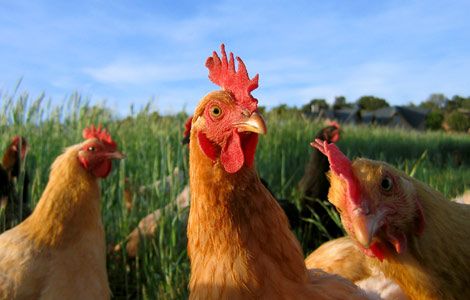
Here’s a list of other domesticated animals that you might find in a barnyard or on the road:
פָּר, פָרָה – bull, cow
חֲמוֹר, אָתוֹן – donkey (male, female)
סוּס, סוּסָה – horse, mare
תַּיִשׁ, עֵז – goat (male, female)
כֶּבֶשׂ, כִּבְשָׂה – sheep, ewe
חֲזִיר, חֲזִירָה – pig, sow רְנְגוֹל, תַּרְנְגוֹלֶת – rooster, hen
רְנְגוֹל, תַּרְנְגוֹלֶת – rooster, hen בַּרְוָז, בַּרְוָזָה – duck (male, female)
תַּרְנְגוֹל הוֹדוּ, תַּרְנְגוֹלֶת הוֹדוּ – turkey (male, female)
 |
| for a complete glossary of farm animals, wild animals and other topics |
Although Hebrew plurals tend to have ים-as the suffix for masculine nouns and וֹת-as the suffix for feminine nouns, this rule often does not hold.
as the suffix for masculine nouns and וֹת-as the suffix for feminine nouns, this rule often does not hold.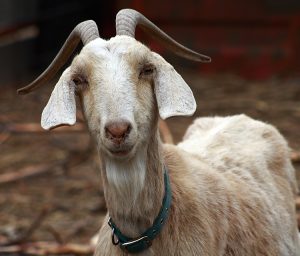
One example is the term for goat milk – חֲלַב עִזִּים– where the female goat עֵז becomes עִזִּיםin the plural.
– where the female goat עֵז becomes עִזִּיםin the plural.
Enjoying Your Daily Dose of Hebrew?