How to say “communicate” in Hebrew
![]() |
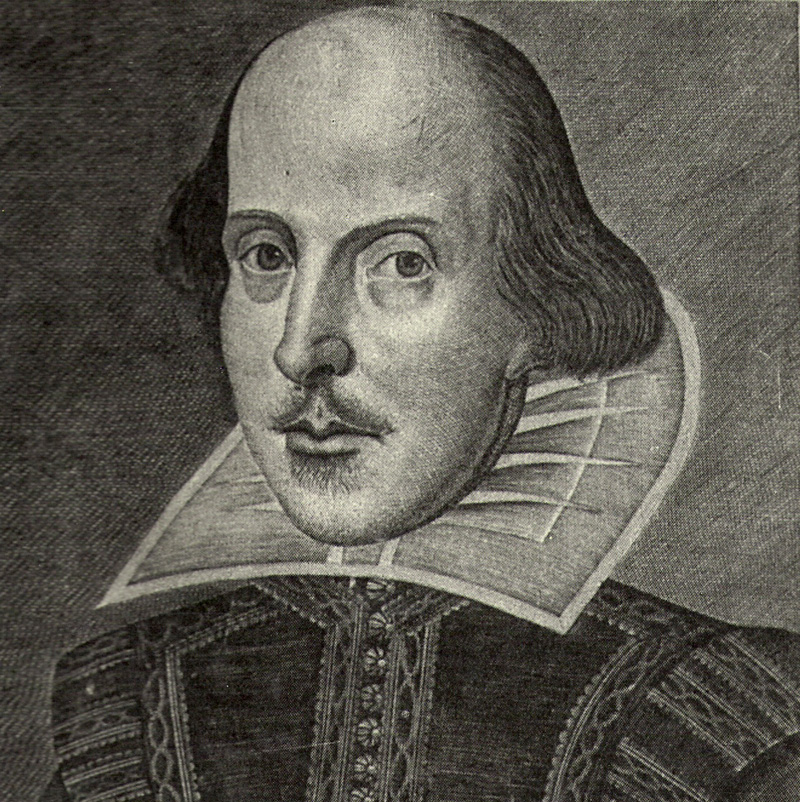
| This guy (William Shakespeare) was a great communicator. |
![]() |
| This guy (William Shakespeare) was a great communicator. |
While מחובר means connected, מנותק means disconnected. For example: הטלפון הקווי שלהם מנותק כבר שנתיים. Their landline has been disconnected for two years now. It can also mean disconnected in the psychological sense, as in: נראה לי שהוא קצת מנותק מהמציאות. I think he’s a bit out of touch with (disconnected from) reality. מנותק is a…
[audioclip url=”https://archive.ulpan.com/wp-content/uploads/2020/10/לזנק-קדימה-#.m4a” /]לְזַנֵּק קָדִימָה The Hebrew word for to leap is לזנק[audioclip url=”https://archive.ulpan.com/wp-content/uploads/2020/10/לזנק-קדימה-#.m4a” /], as in: [audioclip url=”https://archive.ulpan.com/wp-content/uploads/2020/10/לזנק-קדימה-#.m4a” /]תראו איך החתול מזנק! Look how the cat leaps! As in English, people and concepts can leap forward figuratively. To leap forward is לזנק קדימה[audioclip url=”https://archive.ulpan.com/wp-content/uploads/2020/10/לזנק-קדימה-#.m4a” /], as in: [audioclip url=”https://archive.ulpan.com/wp-content/uploads/2020/10/לזנק-קדימה-#.m4a” /]אחרי הקורונה הכלכלה תזנק קדימה. After corona, the…
תַּיָּרוּת Can’t read Hebrew yet? While a tour in Modern Hebrew is a סִיּוּר , a tourist is a תַּיָּר (a male) or a תַּיֶּרֶת (a female). The latter words – תייר and תיירת – come from the biblical story of the spies sent to scout the land of Canaan (Israel): לָתוּר אֶת אֶרֶץ כְּנַעַן …
[audioclip url=”https://archive.ulpan.com/wp-content/uploads/2021/04/מסלול-מכשולים-#.m4a” /]מַסְלוּל מִכְשׁוֹלִים The word for course or track in Hebrew is מסלול[audioclip url=”https://archive.ulpan.com/wp-content/uploads/2021/04/מסלול-מכשולים-#.m4a” /], from the root ס.ל.ל[audioclip url=”https://archive.ulpan.com/wp-content/uploads/2021/04/מסלול-מכשולים-#.m4a” /] meaning paving. מסלול can be physical or abstract, as in: [audioclip url=”https://archive.ulpan.com/wp-content/uploads/2021/04/מסלול-מכשולים-#.m4a” /]אני לא יודע איזה מסלול חיסכון לבחור. I don’t know what savings track to choose. The word for obstacle is מכשול[audioclip url=”https://archive.ulpan.com/wp-content/uploads/2021/04/מסלול-מכשולים-#.m4a” /]…
[audioclip url=”https://archive.ulpan.com/wp-content/uploads/2014/10/תגבור-1.m4a” /]תִּגְבּוּר A few years back I did a post on positive reinforcement – חיזוק חיובי[audioclip url=”https://archive.ulpan.com/wp-content/uploads/2014/10/תגבור-2.m4a” /]. That phrase means literally positive strengthening, where חיזוק[audioclip url=”https://archive.ulpan.com/wp-content/uploads/2014/10/תגבור-3.m4a” /] means strengthening. Another kind of reinforcement is תגבור[audioclip url=”https://archive.ulpan.com/wp-content/uploads/2014/10/תגבור-1.m4a” /], of the root ג.ב.ר[audioclip url=”https://archive.ulpan.com/wp-content/uploads/2014/10/תגבור-4.m4a” /] meaning might. This is reinforcement in the sense of a team compensating for weakness by adding members. For…
having trouble seeing the print? לִרְתּוֹחַ, לְהַרְתִּיחַ Brought to you by Ulpan La-Inyan The Hebrew word for hot is חָם (khahm), an adjective. But the Hebrew word for boiling is רוֹתֵחַ (roh-TEH-ahkh), both an adjective and a verb. For example, you could describe the water as boiling in the phrase, the boiling water – הַמַּיִם הָרוֹתְחִים (hah-MAH-yeem hah-roh-teh-KHEEM), where ה)רותחים)…