how to say “a bit sweet” in Hebrew


having trouble seeing the print?

מְתַקְתַּק


Never experienced Ulpan La-Inyan? 
We’re offering free demo classes 
throughout the summer.


Yesterday’s entry introduced the Hebrew word for to tick – לְתַקְתֵּק (leh-tahk-TEK), whose present-tense (active participle) masculine-singular form is מְתַקְתֵּק (meh-tahk-TEK). Though yesterday’s word sounds a lot like today’s, the two mean completely different things. Moreover, מתקתֵק comes from English, while today’s entry, מְתַקְתַּק (meh-tahk-TAHK), comes from an authentic Hebrew root. Here’s on the two.


On רֹאשׁ הַשָּׁנָה – Rosh Hashanah (rohsh hah-shah-NAH), Jews wish one another a שָׁנָה טוֹבָה וּמְתוּקָה – a good and sweet year (shah-NAH toh-VAH oo-meh-too-KAH). 


The word for sweet is מָתוֹק (mah-TOHK) in the masculine and מְתוּקָה (meh-too-KAH in the feminine).
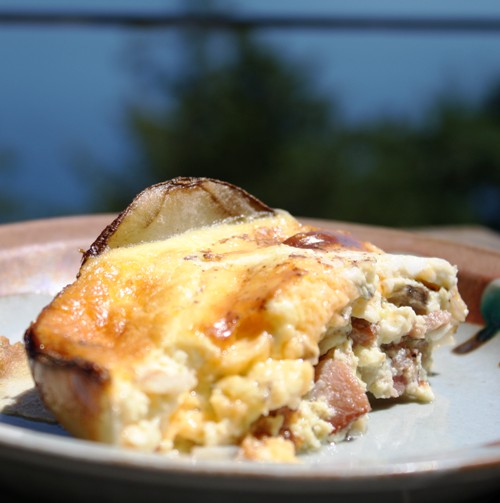

To say something is a bit sweet or lightly sweet, you’d use the word מְתַקְתַּק (meh-tahk-TAHK) in the masculine and מְתַקְתְּקָה (meh-tahk-teh-KAH) in the feminine. מתקתק is a diminutive form of מתוק.

For example:


סָלָט יְרָקוֹת עִם חִטָּה מְתַקְתַּק
a lightly-sweet vegetable salad with wheat


פַּשְׁטִידַת תַּפּוּחֵי אֲדָמָה מְתַקְתְּקָה
a lightly-sweet potato quiche

Further build your
Hebrew vocabulary with…
with a special discount for
Ulpan La-Inyan enthusiasts like yourself

Similar Posts

  • how to say “security check” in Hebrew

      having trouble seeing the print? בִּדּוּק בִּטְחוֹנִי This one’s for Rojan and David I’ve had guests visiting from Europe the last few days. For both of them it’s the first time in Israel, and therefore the first time encountering the psychologically-astute Israeli security team at the airport. A security check is a בִּדּוּק בִּטְחוֹנִי .  Let’s break…

  • Weekly YDDH Review

    חֹמֶר לְשִׁנּוּן[audioclip url=”https://archive.ulpan.com/wp-content/uploads/2014/10/review-1.mp3″ /] Review Material Can’t read Hebrew yet? You spent time on your Hebrew this week. Use these review materials to make it yours to keep.  Flashcards . Scatter . Gravity . Test [audioclip url=”https://archive.ulpan.com/wp-content/uploads/2014/10/review-2.mp3″ /]שבת שלום, וסוף שבוע נעים! Shabbat Shalom, and have a nice weekend!

  • how to say “charger” in Hebrew

    מַטְעֵן[audioclip url=”https://archive.ulpan.com/wp-content/uploads/2014/10/מטען-1.mp3″ /] To load, in Hebrew, is the simple verb לִטְעוֹן[audioclip url=”https://archive.ulpan.com/wp-content/uploads/2014/10/מטען-2.mp3″ /]. For example: [audioclip url=”https://archive.ulpan.com/wp-content/uploads/2014/10/מטען-3.mp3″ /]הֵם טוֹעֲנִים אֶת הַמַּשָּׂאִית. They are loading the truck. To charge a battery, to cause it to be loaded, is the causative verb לְהַטְעִין[audioclip url=”https://archive.ulpan.com/wp-content/uploads/2014/10/מטען-4.mp3″ /]. And a charger is a מַטְעֵן[audioclip url=”https://archive.ulpan.com/wp-content/uploads/2014/10/מטען-1.mp3″ /], so that: [audioclip…

  • how to say “to put out a fire” in Hebrew

    [audioclip url=”https://archive.ulpan.com/wp-content/uploads/2014/10/להכות-12.m4a” /]לְכַבּוֹת שְׂרֵפָה You may know the basic Hebrew word for fire – אש [audioclip url=”https://archive.ulpan.com/wp-content/uploads/2014/10/לכבות-שריפה-2.m4a” /] – perhaps from the first reading lesson in our Level 1 course. Another word for fire, in particular an unwanted one – a blaze – is שריפה[audioclip url=”https://archive.ulpan.com/wp-content/uploads/2014/10/לכבות-שריפה-3.m4a” /]. For example: [audioclip url=”https://archive.ulpan.com/wp-content/uploads/2014/10/לכבות-שריפה-4.m4a” /]יש שריפה ביער! There’s a fire in the forest! To…

  • how to say “to bathe” in Hebrew

    לְהִתְרַחֵץ[audioclip url=”https://archive.ulpan.com/wp-content/uploads/2014/10/להתרחץ-1.mp3″ /] To wash something is the active-simple verb לִרְחוֹץ[audioclip url=”https://archive.ulpan.com/wp-content/uploads/2014/10/להתרחץ-2.mp3″ /], as in: [audioclip url=”https://archive.ulpan.com/wp-content/uploads/2014/10/להתרחץ-3.mp3″ /]רָחַצְתָּ יָדַיִם? Did you (a male) wash your hands? Now, that’s the simple action of washing an object or a body part. But to wash oneself or to bathe is a different action, a reflexive one. The word…