
School Supplies – רשימת ציוד לבית הספר
Got kids going back to school? Going back to school yourself?
Here’s a literal and cultural translation of the list of school supplies – which in Hebrew is called רשימת ציוד[audioclip url=”https://archive.ulpan.com/wp-content/uploads/2019/08/school-supplies-#.m4a” /] – equipment list.
[audioclip url=”https://archive.ulpan.com/wp-content/uploads/2019/08/school-supplies-#.m4a” /]לימוד פורה!
Fruitful learning! (happy learning!)
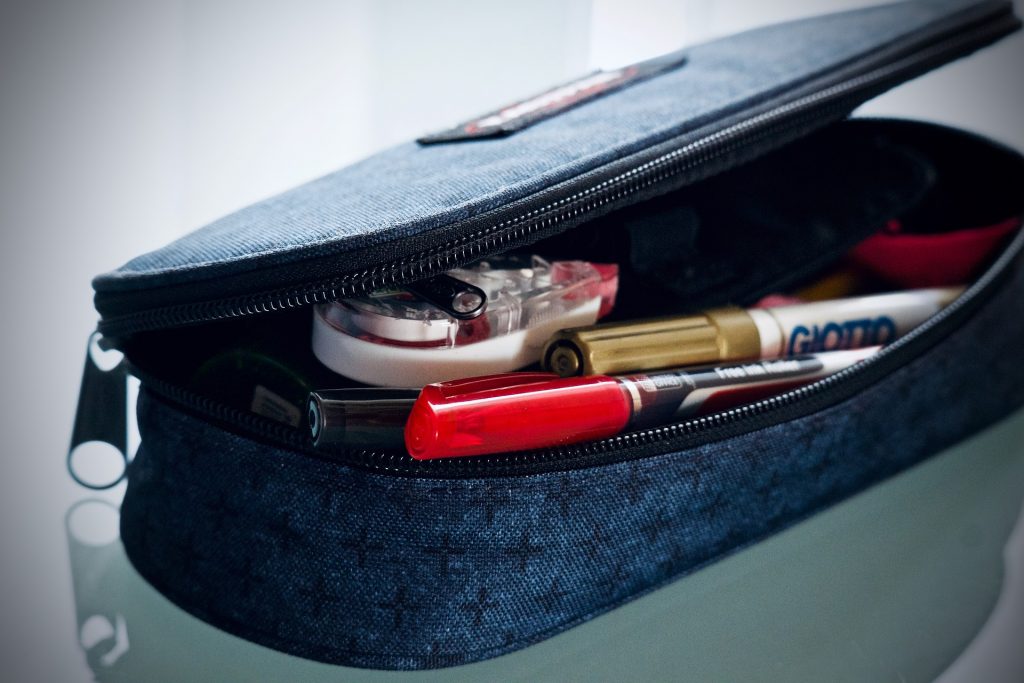
קלמר[audioclip url=”https://archive.ulpan.com/wp-content/uploads/2019/08/school-supplies-#.m4a” /] – pencil case
Suppose you’ve loaded up with school supplies, but don’t have a way to carry them. Bad news.
That’s why the most important item in your רשימת ציוד[audioclip url=”https://archive.ulpan.com/wp-content/uploads/2019/08/school-supplies-#.m4a” /] is the קלמר[audioclip url=”https://archive.ulpan.com/wp-content/uploads/2019/08/school-supplies-#.m4a” /] – pencil case.
מחברות[audioclip url=”https://archive.ulpan.com/wp-content/uploads/2019/08/school-supplies-#.m4a” /] is the plural form of מחברת[audioclip url=”https://archive.ulpan.com/wp-content/uploads/2019/08/school-supplies-#.m4a” /] – notebook.
In Israel, notebooks are typically small and thin, with many variations: checked for math, large rows for English, with fewer or more rows depending on grade level and other factors. Spiral notebooks are usually used in upper school and they are called ספירלה[audioclip url=”https://archive.ulpan.com/wp-content/uploads/2019/08/school-supplies-#.m4a” /].
מחברות[audioclip url=”https://archive.ulpan.com/wp-content/uploads/2019/08/school-supplies-#.m4a” /] – notebooks

עפרונות מחודדים[audioclip url=”https://archive.ulpan.com/wp-content/uploads/2019/08/school-supplies-#.m4a” /] – sharpened pencils
Once there was a עולה חדש[audioclip url=”https://archive.ulpan.com/wp-content/uploads/2019/08/school-supplies-#.m4a” /] – a new immigrant to Israel – who got out of a speeding ticket by saying to the officer, אני עיפרון[audioclip url=”https://archive.ulpan.com/wp-content/uploads/2019/08/school-supplies-#.m4a” /] – I am a pencil. True story.
עיפרון[audioclip url=”https://archive.ulpan.com/wp-content/uploads/2019/08/school-supplies-#.m4a” /] is masculine, but it’s one of those nouns that looks feminine in the plural: עפרונות[audioclip url=”https://archive.ulpan.com/wp-content/uploads/2019/08/school-supplies-#.m4a” /] are pencils. Nevertheless, you can see the essentially-masculine quality of the עיפרון when it appears next to a modifier: עפרונות מחודדים[audioclip url=”https://archive.ulpan.com/wp-content/uploads/2019/08/school-supplies-#.m4a” /] are sharpened pencils, and that’s what you want to send your kid to school with.
The French speakers among you may spot the origin of קלסר[audioclip url=”https://archive.ulpan.com/wp-content/uploads/2019/08/school-supplies-#.m4a” /] – it’s classeur. The American equivalent is the binder or spiral file folder.
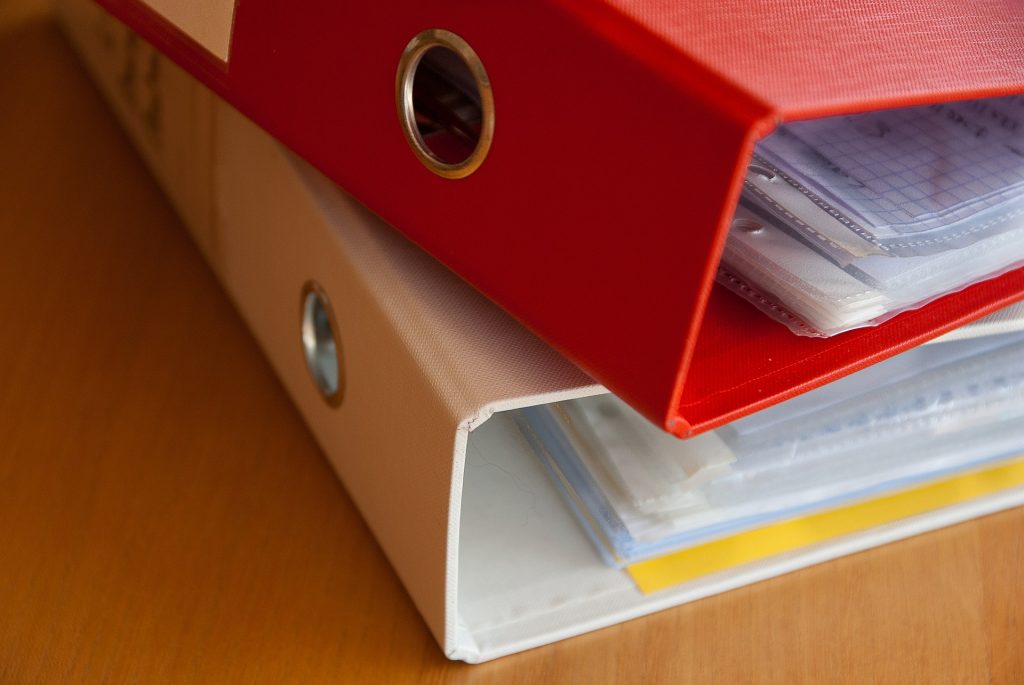
קלסר[audioclip url=”https://archive.ulpan.com/wp-content/uploads/2019/08/school-supplies-#.m4a” /] – binder
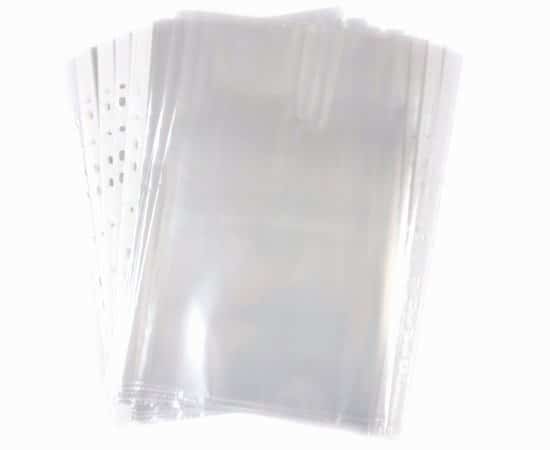
ניילוניות[audioclip url=”https://archive.ulpan.com/wp-content/uploads/2019/08/school-supplies-#.m4a” /] – plastic paper holders
You’re more likely to hear these nylon mini-folders referred to as ניילוניות[audioclip url=”https://archive.ulpan.com/wp-content/uploads/2019/08/school-supplies-#.m4a” /] (plural of ניילונית[audioclip url=”https://archive.ulpan.com/wp-content/uploads/2019/08/school-supplies-#.m4a” /]). There is, however, a proper Hebrew word as well: שמרדף[audioclip url=”https://archive.ulpan.com/wp-content/uploads/2019/08/school-supplies-#.m4a” /] combines the ש.מ.ר[audioclip url=”https://archive.ulpan.com/wp-content/uploads/2019/08/school-supplies-#.m4a” /] root of the simple verb לשמור[audioclip url=”https://archive.ulpan.com/wp-content/uploads/2019/08/school-supplies-#.m4a” /] – to guard, with דף[audioclip url=”https://archive.ulpan.com/wp-content/uploads/2019/08/school-supplies-#.m4a” /] meaning page.
The word צבע[audioclip url=”https://archive.ulpan.com/wp-content/uploads/2019/08/school-supplies-#.m4a” /] means color. In the context of school, the plural form צבעים[audioclip url=”https://archive.ulpan.com/wp-content/uploads/2019/08/school-supplies-#.m4a” /] usually refers to crayons.
What about colored pencils? That’s צבעי עיפרון[audioclip url=”https://archive.ulpan.com/wp-content/uploads/2019/08/school-supplies-#.m4a” /] – literally, colors of pencil.
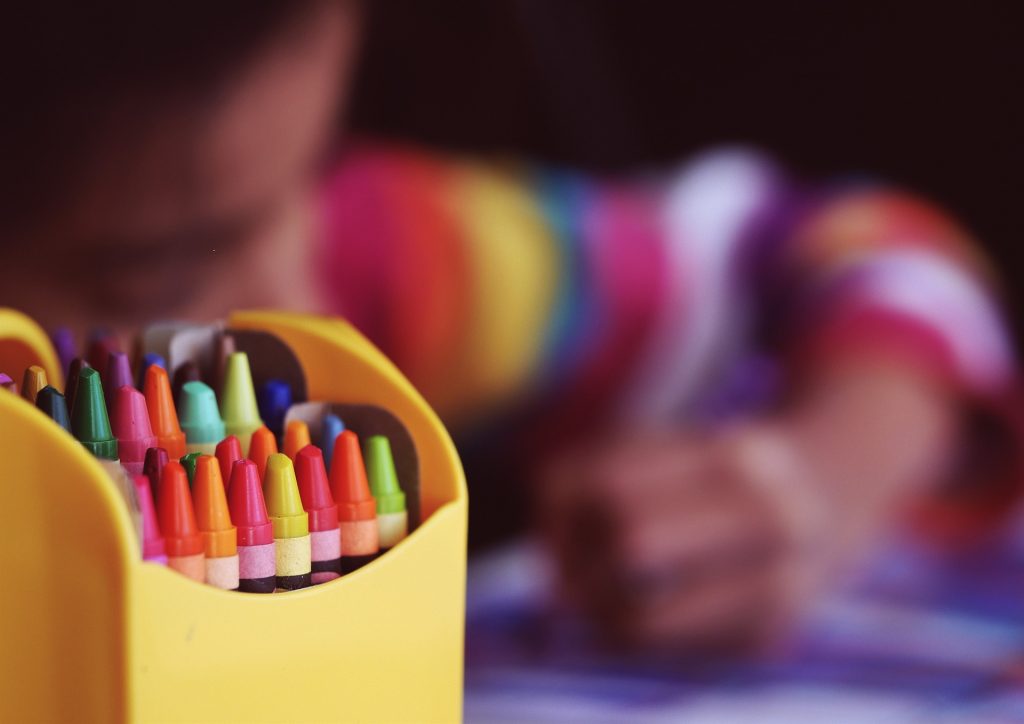
צבעים / צבעי עיפרון[audioclip url=”https://archive.ulpan.com/wp-content/uploads/2019/08/school-supplies-#.m4a” /] – crayons / colored pencils

צבעי פנדה[audioclip url=”https://archive.ulpan.com/wp-content/uploads/2019/08/school-supplies-#.m4a” /] – pastels
צבעי פנדה[audioclip url=”https://archive.ulpan.com/wp-content/uploads/2019/08/school-supplies-#.m4a” /] – literally, Panda colors – are pastels. צבעי פנדה are actually named for a brand the way that Americans say Kleenex for tissues, but the name stuck to the point that it is the only term used.
לורדים[audioclip url=”https://archive.ulpan.com/wp-content/uploads/2019/08/school-supplies-#.m4a” /] – markers – also comes form a brand name that stuck. לורדים דקים[audioclip url=”https://archive.ulpan.com/wp-content/uploads/2019/08/school-supplies-#.m4a” /] are the thin variety (לורדים alone are thick markers, usually for writing on the board).
When people say מרקרים[audioclip url=”https://archive.ulpan.com/wp-content/uploads/2019/08/school-supplies-#.m4a” /] they mean specifically florescent-colored highlighters.
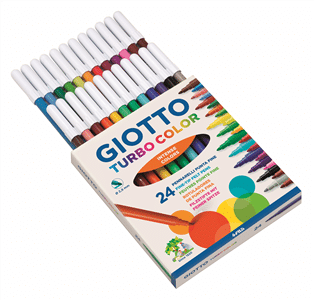
לורדים דקים[audioclip url=”https://archive.ulpan.com/wp-content/uploads/2019/08/school-supplies-#.m4a” /] – thin markers
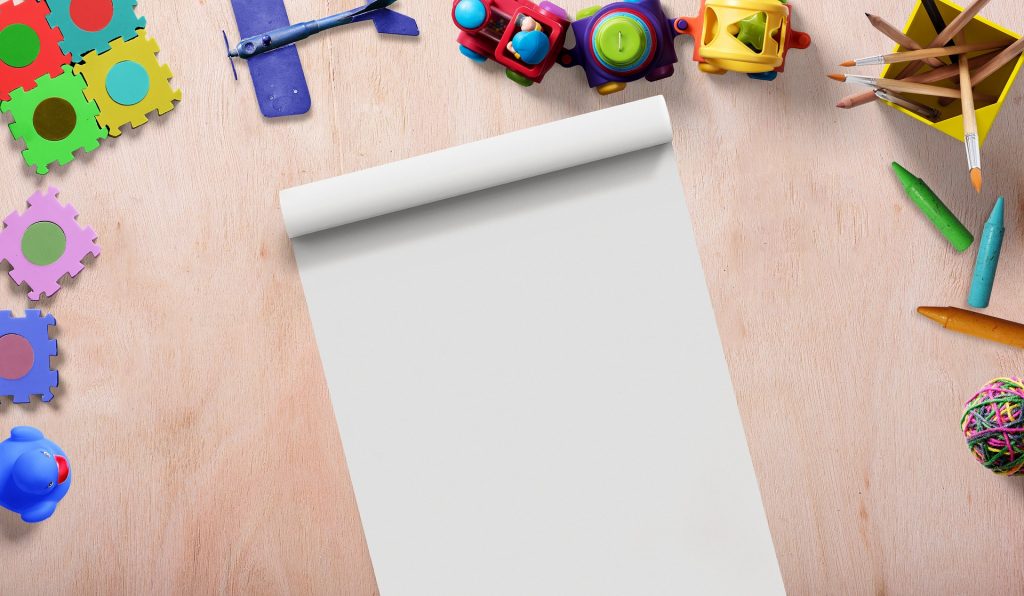
בלוק ציור[audioclip url=”https://archive.ulpan.com/wp-content/uploads/2019/08/school-supplies-#.m4a” /] – drawing pad
בלוק ציור[audioclip url=”https://archive.ulpan.com/wp-content/uploads/2019/08/school-supplies-#.m4a” /] is literally a block for drawing. No further explanation necessary.
סרגל[audioclip url=”https://archive.ulpan.com/wp-content/uploads/2019/08/school-supplies-#.m4a” /] derives from the Latin word regula, which is also the source of the English word regular: A ruler has precisely regular increments.
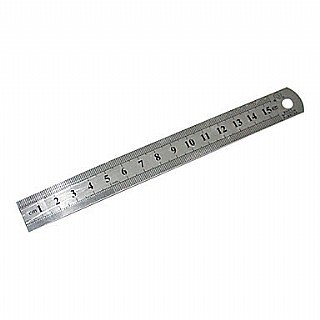
סרגל[audioclip url=”https://archive.ulpan.com/wp-content/uploads/2019/08/school-supplies-#.m4a” /] – ruler
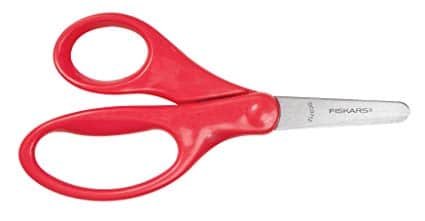
מספריים[audioclip url=”https://archive.ulpan.com/wp-content/uploads/2019/08/school-supplies-#.m4a” /] – scissors
Can’t go to כיתה א[audioclip url=”https://archive.ulpan.com/wp-content/uploads/2019/08/school-supplies-#.m4a” /] – first grade without a pair of מספריים[audioclip url=”https://archive.ulpan.com/wp-content/uploads/2019/08/school-supplies-#.m4a” /]!
This word is related to סַפָּר[audioclip url=”https://archive.ulpan.com/wp-content/uploads/2019/08/school-supplies-#.m4a” /] – barber but is not related to סֵפֶר[audioclip url=”https://archive.ulpan.com/wp-content/uploads/2019/08/school-supplies-#.m4a” /] – book. Go figure.
In English, stick could mean the kind of stick that people walk/point/hit each other with, or it could be the verb to stick as in to stick together.
In Hebrew, the דבק[audioclip url=”https://archive.ulpan.com/wp-content/uploads/2019/08/school-supplies-#.m4a” /] part in דבק סטיק[audioclip url=”https://archive.ulpan.com/wp-content/uploads/2019/08/school-supplies-#.m4a” /] takes care of the stickiness aspect, so that סטיק[audioclip url=”https://archive.ulpan.com/wp-content/uploads/2019/08/school-supplies-#.m4a” /] refers to the long object only.
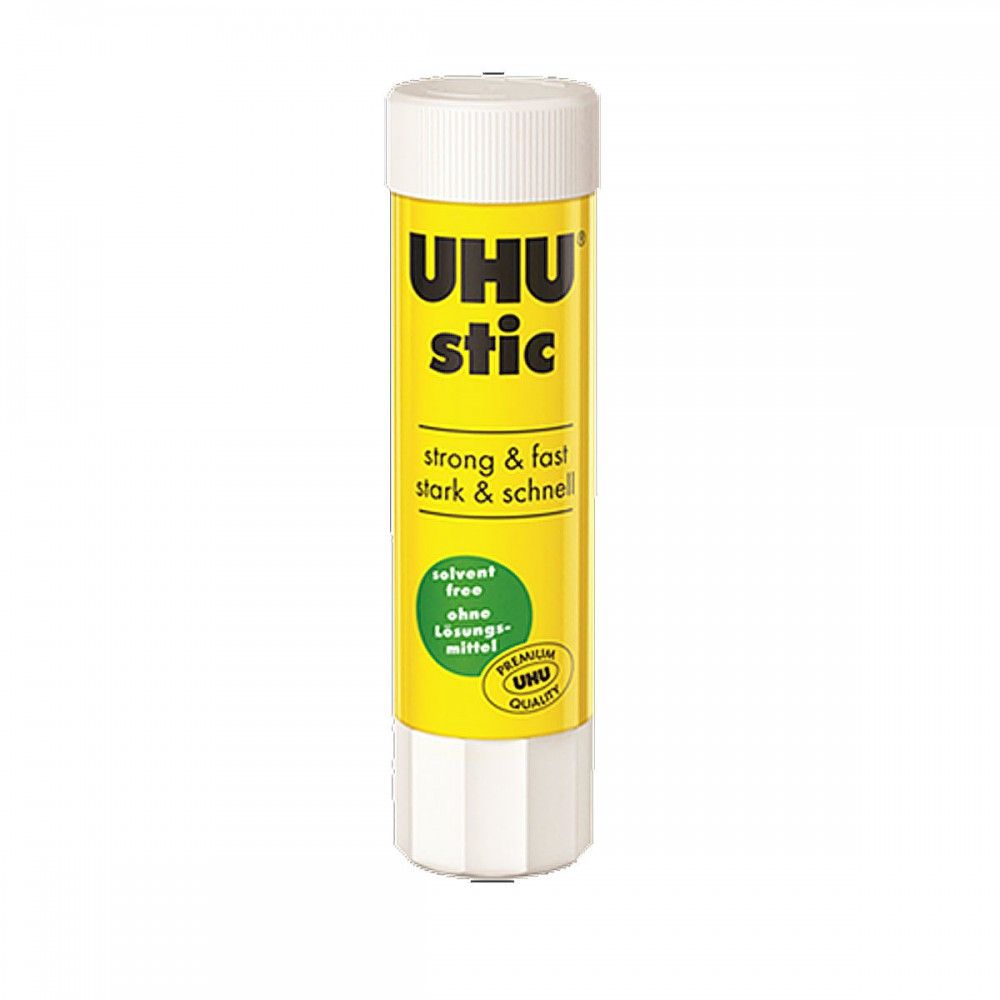
דבק סטיק[audioclip url=”https://archive.ulpan.com/wp-content/uploads/2019/08/school-supplies-#.m4a” /] – glue stick
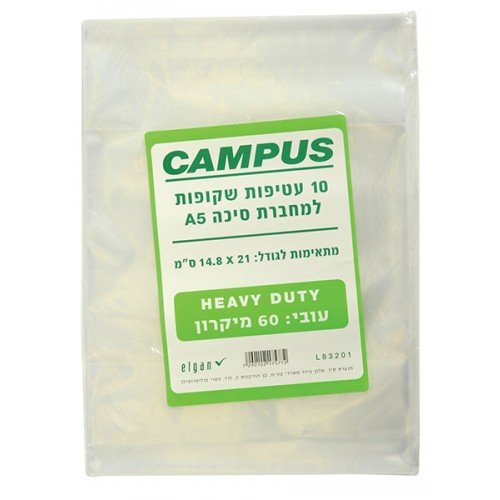
עטיפות שקופות[audioclip url=”https://archive.ulpan.com/wp-content/uploads/2019/08/school-supplies-#.m4a” /] – transparent covers
In Israel, children are expected to cover their books and notebooks. These small notebooks each get a cover that kids often decorate on the first day of school. A cover is an עטיפה[audioclip url=”https://archive.ulpan.com/wp-content/uploads/2019/08/school-supplies-#.m4a” /], with עטיפות[audioclip url=”https://archive.ulpan.com/wp-content/uploads/2019/08/school-supplies-#.m4a” /] meaning covers.
Teachers often ask that the covers be transparent – שקופות[audioclip url=”https://archive.ulpan.com/wp-content/uploads/2019/08/school-supplies-#.m4a” /] – so that one can see the cover and recognize which notebook it is.
In Biblical Hebrew, למחוק[audioclip url=”https://archive.ulpan.com/wp-content/uploads/2019/08/school-supplies-#.m4a” /] means to annihilate. Modern Hebrew tones it down a bit by extending the meaning to the classroom, so that למחוק also means to erase. מחק[audioclip url=”https://archive.ulpan.com/wp-content/uploads/2019/08/school-supplies-#.m4a” /] derives from למחוק.
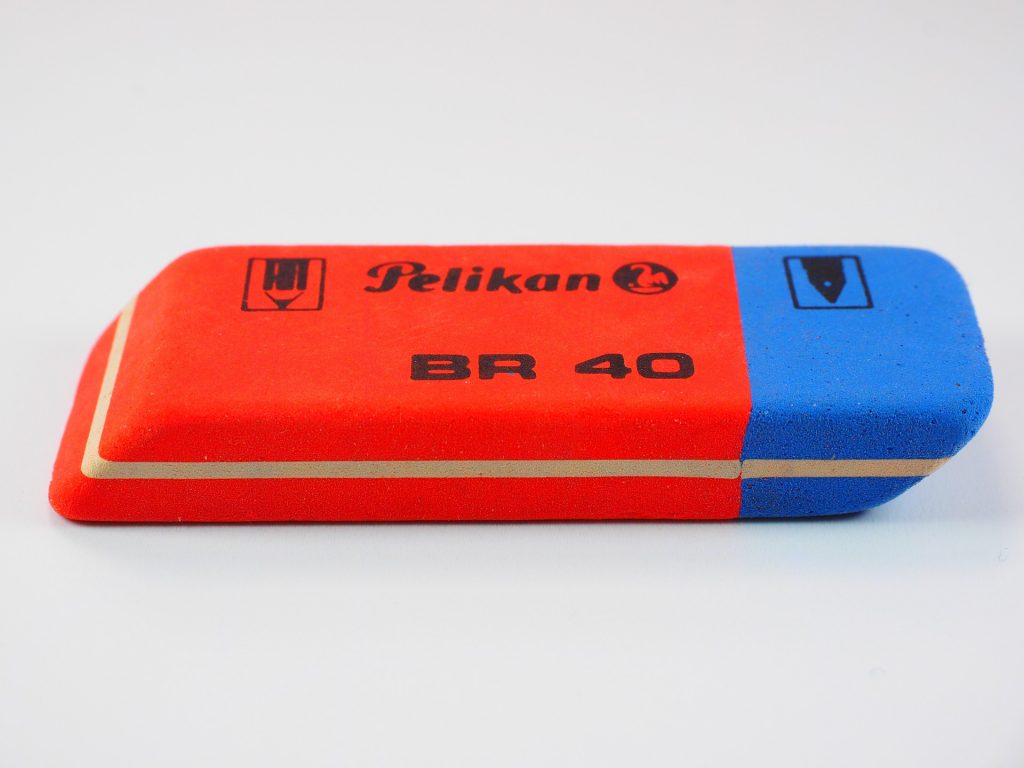
מחק[audioclip url=”https://archive.ulpan.com/wp-content/uploads/2019/08/school-supplies-#.m4a” /] – eraser

יומן[audioclip url=”https://archive.ulpan.com/wp-content/uploads/2019/08/school-supplies-#.m4a” /] – daily planner
Coming from the word יום[audioclip url=”https://archive.ulpan.com/wp-content/uploads/2019/08/school-supplies-#.m4a” /] – day, a יומן[audioclip url=”https://archive.ulpan.com/wp-content/uploads/2019/08/school-supplies-#.m4a” /] is a weekly diary with dates. It’s the Israeli equivalent of a daily planner/diary.
That’s about all you need to know as you venture into the Israeli world of shopping for school supplies. But if there are specialty items on your list, don’t hesitate to ask the teacher to explain.