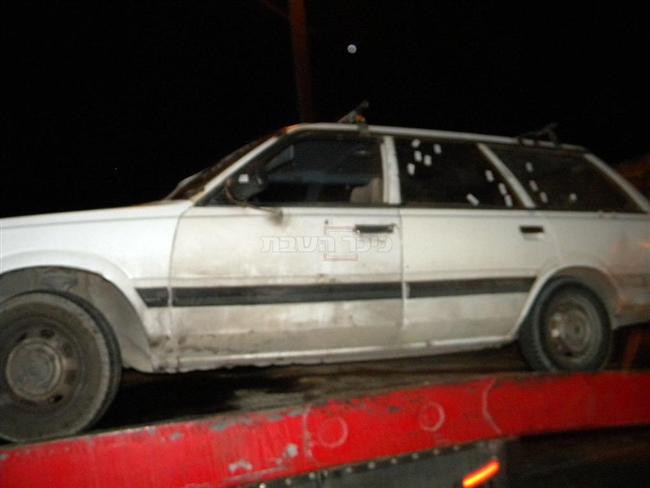
how to say “terror attack” in Hebrew

Modern Hebrew’s word for such an attack is פִּגּוּע (pee-GOO-ah). The word comes from the root פ.ג.ע., which bears the concept ofharm.

[audioclip url=”https://archive.ulpan.com/wp-content/uploads/2014/10/חדר-מיון-1.m4a” /]חֲדַר מִיּוּן If you know some basic Hebrew, you most likely know the word חדר[audioclip url=”https://archive.ulpan.com/wp-content/uploads/2014/10/חדר-מיון-2.m4a” /] – room. When חדר is connected to another word in an of (construct) relationship, it is pronounced with ah vowels. For example, חֲדַר שינה[audioclip url=”https://archive.ulpan.com/wp-content/uploads/2014/10/חדר-מיון-3.m4a” /] is a bedroom or a room of sleep. An emergency room is חדר מיון[audioclip url=”https://archive.ulpan.com/wp-content/uploads/2014/10/חדר-מיון-1.m4a” /] –…
[audioclip url=”https://archive.ulpan.com/wp-content/uploads/2014/10/לגמור-1.m4a” /]לִגְמוֹר, לְסַיֵּם Modern Hebrew has two common words for to finish. לגמור[audioclip url=”https://archive.ulpan.com/wp-content/uploads/2014/10/לגמור-2.m4a” /], the word used in the Bible, is probably the better-known one to people who are familiar with Hebrew but who are not native speakers. לגמור is used in Modern Hebrew primarily to mean to finish something – it is a transitive verb, one…
חלבונים A couple of days ago we did the word for carbs – פַּחְמִימוֹת (pahkh-mee-MOHT). Today we’re going to look at another item on the Nutrition Facts section of packaged food – protein. Hebrew’s rendition of protein is חֶלְבּוֹן (khehl-BOHN), which is also the term for egg white. If you look closely at the word…
דּוֹבֵר עִבְרִית[audioclip url=”https://archive.ulpan.com/wp-content/uploads/2014/10/דובר-1.mp3″ /] One of the first words you’ll learn in a conversational-Hebrew course is some form of the active-intensive verb לְדַבֵּר[audioclip url=”https://archive.ulpan.com/wp-content/uploads/2014/10/דובר-2.mp3″ /] – to speak. When reading literary texts, you may come across a simple form of that word, as in the Biblical verse: [audioclip url=”https://archive.ulpan.com/wp-content/uploads/2014/10/דובר-3.mp3″ /]כֵּן בְּנוֹת צְלָפְחָד דֹּבְרֹת. ([audioclip url=”https://archive.ulpan.com/wp-content/uploads/2014/10/דובר-4.mp3″…
[audioclip url=”https://archive.ulpan.com/wp-content/uploads/2021/04/כרגע-#.m4a” /]כָּרֶגַע, כָּעֵת In addition to עכשיו[audioclip url=”https://archive.ulpan.com/wp-content/uploads/2021/04/כרגע-#.m4a” /] – now, Hebrew has two ways of saying at the moment: כרגע[audioclip url=”https://archive.ulpan.com/wp-content/uploads/2021/04/כרגע-#.m4a” /] (literally as of the moment) and כעת[audioclip url=”https://archive.ulpan.com/wp-content/uploads/2021/04/כרגע-#.m4a” /] (as of the time). In everyday speech you’ll hear כרגע, as in: [audioclip url=”https://archive.ulpan.com/wp-content/uploads/2021/04/כרגע-#.m4a” /]כרגע אנחנו נמצאים בשער יפו. At the moment we’re…
לשחות חתירה To swim, in Hebrew, is לִשְׂחוֹת (lees-KHOHT). The act of swimming is שְׂחִיָּה (skhee-YAH). To row or to paddle is לַחְתּוֹר (lahkh-TOHR). The act of rowing or paddling – or swimming the crawl (which resembles rowing in its movement) is חֲתִירָה (khah-tee-RAH). For example… אֲנִי אוֹהֵב לִשְׂחוֹת חֲתִירָה (ah-NEE oh-HEV lees-KHOT khah-tee-RAH) – I…