how to say “lighter” in Hebrew


having trouble seeing the print?

מַצִּית


Brought to you by Ulpan La-Inyan

Correction to last entry: Jews in Israel read the Torah portion אֱמֹר (eh-MOHR) this past week, but Jews in the rest of the world read a different portion.


Today’s dose:


Smokers in English-speaking countries might ask a passerby, got a light? or do you have a lighter?


In Israel, people say, ?יֵשׁ לְךָ/לָךְ מַצִּית (yesh leh-KHAH/lahkh mah-TSEET?) – do you (m/f) have a lighter?
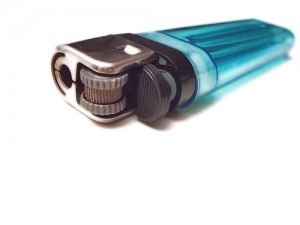
מצית

To ignite, in Hebrew, is לְהַצִּית (leh-hah-TSEET). The root is י.צ.ת (y.ts.t). Use it only in the context of igniting a flame. 


להצית is a synonym of לְהַדְלִיק (leh-hahd-LEEK), which means to light or to ignite, used more broadly. Its root is ד.ל.ק (d.l.k) – lighting material.


For an example, watch this video… and pass it on.


Further build your
Hebrew vocabulary with…
special discount for
Ulpan La-Inyan enthusiasts like yourself


Similar Posts

  • how to say “light-brown hair” in Hebrew

    [audioclip url=”https://archive.ulpan.com/wp-content/uploads/2020/01/שטני-#.m4a” /]שֵׂעָר שָׁטֵנִי In English we just call such hair color light brown. But French calls it châtain, invoking the color of chestnut. Hebrew follows suit, with an expression borrowed from French, שיער שטני[audioclip url=”https://archive.ulpan.com/wp-content/uploads/2020/01/שטני-#.m4a” /]. For example: [audioclip url=”https://archive.ulpan.com/wp-content/uploads/2020/01/שטני-#.m4a” /]היא שחומה, אבל עם שיער שטני. She’s dark-skinned, but with light-brown hair. When I first…

  • daily video – how to say “olive oil” in Hebrew

    To slow down the audio or to turn on captions (CC), start playing the video and then click the settings icon ⚙️. LEARNING TIPS Hebrew beginners Watch with English captions a few times, then with Hebrew captions, then without captions, and see what you understand. Intermediate learners Watch without captions, pausing to write down what...
  • how to say “from the beginning” in Hebrew

    [audioclip url=”https://archive.ulpan.com/wp-content/uploads/2014/10/מההתחלה-1.m4a” /]מֵהַהַתְחָלָה The opening word of the Book of Genesis is בראשית[audioclip url=”https://archive.ulpan.com/wp-content/uploads/2014/10/מההתחלה-2.m4a” /] – in the beginning. But ראשית[audioclip url=”https://archive.ulpan.com/wp-content/uploads/2014/10/מההתחלה-3.m4a” /] is not the common word for beginning – in fact, commentators scratch their heads as to why this word is used here in this form (it means literally beginning of), generating all sorts of interpretations. In any case,…

  • daily video – how to say “obstacle course” in Hebrew

    To slow down the audio or to turn on captions (CC), start playing the video and then click the settings icon ⚙️. LEARNING TIPS Hebrew beginners Watch with English captions a few times, then with Hebrew captions, then without captions, and see what you understand. Intermediate learners Watch without captions, pausing to write down what...
  • how to say “scarf” in Hebrew

    [audioclip url=”https://archive.ulpan.com/wp-content/uploads/2020/11/צעיף-#.m4a” /]צָעִיף I wore a scarf for the first time in my late twenties, living in Jerusalem: having grown up in LA, there was no need for it. The Hebrew word for scarf is צעיף[audioclip url=”https://archive.ulpan.com/wp-content/uploads/2020/11/צעיף-#.m4a” /], as in: [audioclip url=”https://archive.ulpan.com/wp-content/uploads/2020/11/צעיף-#.m4a” /]היא לובשת צעיף ומעיל גשם. She’s wearing a scarf and a rain coat. צעיף…