how to say “intelligence agency” in Hebrew


having trouble seeing the print?

סוֹכְנוּת בִּיּוּן
highly recommended for further vocabulary growth


Yesterday we saw some information about הַמּוֹסָד – the Mossad.

Today we’ll look at the general term for intelligence agency – סוֹכְנוּת בִּיּוּן .

The Hebrew word for agency is סוכנות , most recognizably in the Hebrew name of The Jewish Agency – הַסּוֹכְנוּת הַיְּהוּדִית , or simply הסוכנות – The Agency. A סוֹכֵן (male) or סוֹכֶנֶת (female) is an agent, so סוכנות means agency. This term comes from Biblical Hebrew.


The word for intelligence in the context of an intelligence agency is בִּיּוּן . This word comes from the Biblical root ב.ו.נ (b.w.n) or ב.י.נ (b.y.n), internalization. 

You may recognize this root in the word for to understand – לְהָבִין . But whereas in להבין, the root is plugged into the active-causative הִפְעִיל verb form, in ביון, the root is plugged into the active-intensive פִּעֵל form yielding the verb לְבַיֵּן and its noun form ביון.
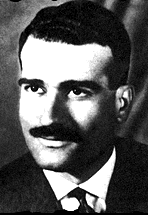
 

אלי כהן
Eli Cohen

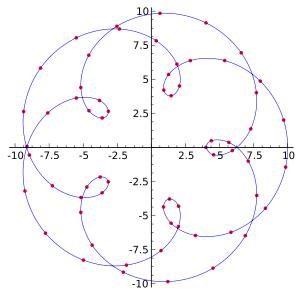
So what do לביין and ביון mean, specifically? In mathematics there is a concept called interpolation, which involves estimating the location of various data points within a range – a precise, sophisticated game of connect the dots. Which is exactly what an intelligence agency – a סוכנות ביון – does – it “connects the dots” in a real-life political, often international scenario to create a plan of action.

You may be familiar with the word מוֹדִיעִין , also referring to intelligence (as well as to a city situated between Tel Aviv and Jerusalem), as in חֵיל הַמּוֹדִיעִין – the IDF’s Intelligence Corps. In that phrase, intelligence refers to gathering information rather than interpoling, so מודיעין, of the root י.ד.ע meaning knowledge, is used.


Similar Posts

  • how to say “@ (at sign)” in Hebrew

    [audioclip url=”https://archive.ulpan.com/wp-content/uploads/2021/08/שטרודל-#.m4a” /]שְׁטְרוּדֶל, כְּרוּכִית The at sign resembles the Austrian pastry, the strudel. Hebrew renders the s in its German pronunciation, so the common word for @ in Hebrew is שטרודל[audioclip url=”https://archive.ulpan.com/wp-content/uploads/2021/08/שטרודל-#.m4a” /]. For example: [audioclip url=”https://archive.ulpan.com/wp-content/uploads/2021/08/שטרודל-#.m4a” /]המייל לא נשלח כי שכחו להוסיף שטרודל. The email wasn’t sent because they forgot to add an at sign….

  • how to say “film director” in Hebrew

    [audioclip url=”https://archive.ulpan.com/wp-content/uploads/2015/05/במאי-קולנוע-1.m4a” /]בַּמַּאי קוֹלְנוֹעַ The word for a director who orchestrates the production of a play or a movie is במאי[audioclip url=”https://archive.ulpan.com/wp-content/uploads/2015/05/במאי-קולנוע-2.m4a” /] for a male and במאית[audioclip url=”https://archive.ulpan.com/wp-content/uploads/2015/05/במאי-קולנוע-3.m4a” /] for a female. They derive from the word במה[audioclip url=”https://archive.ulpan.com/wp-content/uploads/2015/05/במאי-קולנוע-4.m4a” /], which once referred to the platform on which people would perform religious rituals including sacrifice (containing…

  • how to say “cleanliness” in Hebrew

    [audioclip url=”https://archive.ulpan.com/wp-content/uploads/2014/10/ניקיון-1.m4a” /]נִקָּיוֹן If you’ve got some basic Hebrew down, you likely know the word for clean – נקי[audioclip url=”https://archive.ulpan.com/wp-content/uploads/2014/10/ניקיון-2.m4a” /]. For example: [audioclip url=”https://archive.ulpan.com/wp-content/uploads/2014/10/ניקיון-3.m4a” /]החולצה שלך לא נקייה. Your blouse (a feminine object) is not clean. The word for cleanliness is ניקיון[audioclip url=”https://archive.ulpan.com/wp-content/uploads/2014/10/ניקיון-1.m4a” /], as in: [audioclip url=”https://archive.ulpan.com/wp-content/uploads/2014/10/ניקיון-4.m4a” /]מצב הניקיון בחדר שלך זה פשוט קטסטרופה. The…

  • how to say “a native” in Hebrew

    יָלִיד If you already know some Hebrew, you certainly know the Hebrew word for boy – יֶלֶד (YEH-led) and the word for girl – יַלְדָּה (yahl-DAH). You may also know the word for born as in, He was born – נוֹלַד (noh-LAHD). To say someone is a native of a particular place, you’d use the word יָלִיד (yah-LEED) for a…

  • How to say “to arouse” in Hebrew

    [audioclip url=”https://archive.ulpan.com/wp-content/uploads/2018/02/לעורר-1.m4a” /]לְעוֹרֵר The Hebrew verb for to arouse is לעורר[audioclip url=”https://archive.ulpan.com/wp-content/uploads/2018/02/לעורר-1.m4a” /]. For example: [audioclip url=”https://archive.ulpan.com/wp-content/uploads/2018/02/לעורר-2.m4a” /]בינה מלאכותית מעוררת רגשות מעורבים. Artificial intelligence arouses mixed feelings. לעורר is related to other verbs such as להעיר[audioclip url=”https://archive.ulpan.com/wp-content/uploads/2018/02/לעורר-3.m4a” /] – to wake (someone) up and להתעורר[audioclip url=”https://archive.ulpan.com/wp-content/uploads/2018/02/לעורר-4.m4a” /] – to wake up. In noun form, להתעורר…

  • how to say “to give up” in Hebrew

    [audioclip url=”https://archive.ulpan.com/wp-content/uploads/2021/07/להיכנע-#.m4a” /]לְהִיכָּנַע, לְוַותֵּר The Hebrew word for to give up is להיכנע[audioclip url=”https://archive.ulpan.com/wp-content/uploads/2021/07/להיכנע-#.m4a” /], a נפעל verb of the root כ.נ.ע[audioclip url=”https://archive.ulpan.com/wp-content/uploads/2021/07/להיכנע-#.m4a” /] meaning surrender.  For example: [audioclip url=”https://archive.ulpan.com/wp-content/uploads/2021/07/להיכנע-#.m4a” /]הוא לא נכנע ללחצים חברתיים. He doesn’t give in to social pressures. Another word sometimes used as to give up is the פיעל verb לוותר[audioclip url=”https://archive.ulpan.com/wp-content/uploads/2021/07/להיכנע-#.m4a” /], as in: [audioclip…